

Consumers comparing premium travel cards usually want one practical answer before they apply: does the value justify the cost?
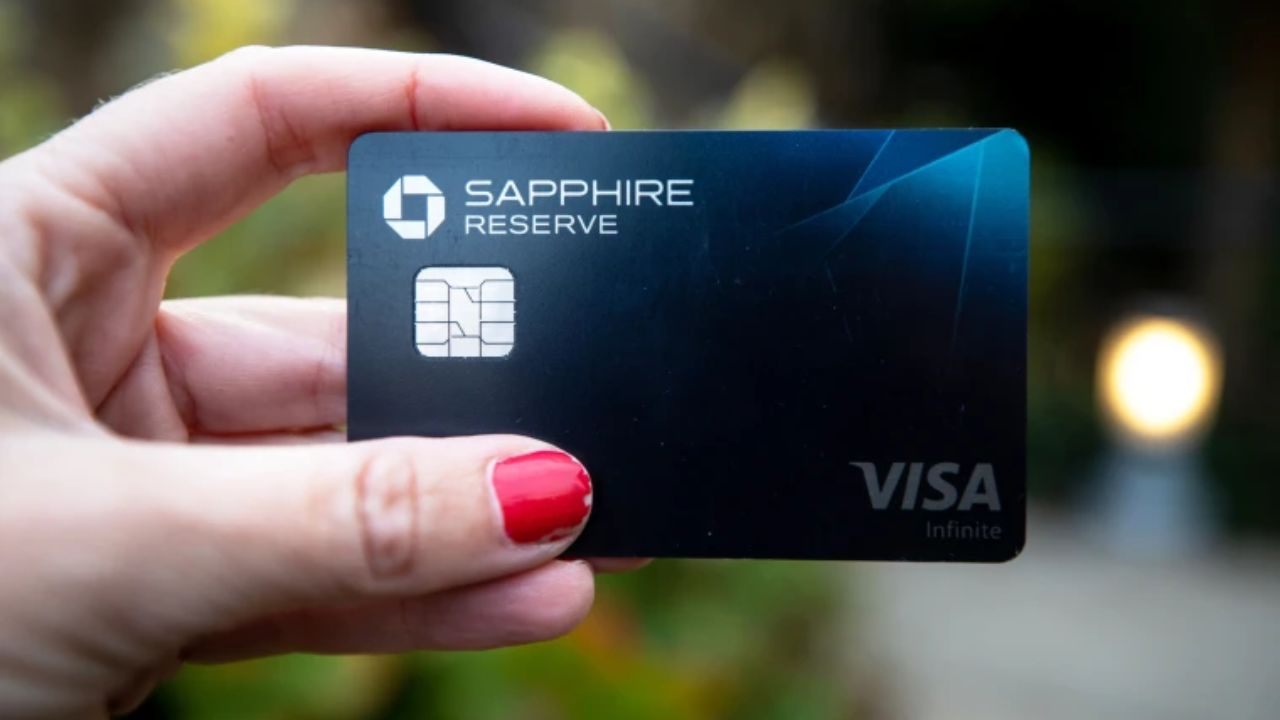
The Chase Sapphire Reserve stays in that conversation because it combines luxury travel perks, premium statement credits, and strong travel rewards in one product built for frequent travelers.
For readers researching this card, the real question is whether its benefits, annual fee, and likely high-credit expectations fit the way they actually spend and travel.

Why The Chase Sapphire Reserve Stands Out In The Premium Travel Card Market
Premium cards are judged less by branding and more by whether they return enough real value to justify the fee.
Chase positions Sapphire Reserve as a luxury travel and lifestyle card with a $795 annual fee, a large welcome bonus, airport lounge access, travel protections, and premium statement credits.

That gives it a narrower audience than a general rewards card, but also a clearer purpose. It is designed for concentrated use, not casual ownership.
How Travel Rewards Drive The Card’s Appeal
The rewards structure strongly favors travel and dining.
Chase says Sapphire Reserve earns 8x total points on purchases through Chase Travel, 4x on flights booked direct, 4x on hotels booked direct, 3x on dining worldwide, and 1x on all other purchases after the first $300 in travel spending each year is reimbursed through the annual travel credit.
That makes the card easier to value for people whose spending already centers on travel. It is not built as a broad everyday spending card.
The Premium Travel Credits That Shape The Value
A large share of the card’s value comes from credits, not just points.
Chase highlights a $300 annual travel credit, up to $500 in annual statement credits for prepaid bookings with The Edit, and reimbursement for Global Entry, TSA PreCheck, or NEXUS every four years.
It also promotes airport lounge access, hotel privileges, and lifestyle partnerships. These recurring benefits matter because they can materially reduce the effective cost of the card for people who use it consistently.
Why Applicants Associate It With Higher Credit Standards
Chase does not publish a required credit score on the Sapphire Reserve page, so it would be inaccurate to claim an official cutoff. Still, the card’s structure clearly suggests a premium-credit profile.
A $795 annual fee, a large welcome bonus, and a travel-heavy benefits package naturally place it in a category many applicants associate with stronger credit and higher spending capacity. That does not guarantee approval, but it does shape realistic expectations.
Reasons To Apply for the Chase Sapphire Reserve
The best reason to apply for a premium card is fit, not prestige.

Sapphire Reserve makes the strongest case for applicants who travel regularly, can use statement credits consistently, and want a card that rewards travel and dining far more than general household purchases.
That gives it a narrower appeal than a flat-rate cash back card, but it also makes its purpose easier to evaluate. For the right applicant, the value is recurring and practical.
A Strong Match For Frequent Travelers
This card is easiest to justify when travel is already part of your normal spending pattern.
Someone who books flights and hotels regularly, values airport lounge access, and can use the travel credit each year will have a much easier time seeing the annual fee as worthwhile.
That is why Sapphire Reserve fits frequent travelers better than occasional vacationers. The card works best when premium travel perks support habits you already have.
Useful For People Who Can Capture Ongoing Value
The strongest case is not limited to the sign-up bonus. Chase also promotes recurring value through annual travel credits, hotel credits, dining and lifestyle offers, and access to the Sapphire Reserve Lounge Network and Priority Pass lounges.
These features only matter when they are actually used, but that is exactly the point. Sapphire Reserve is more compelling for applicants who can capture value across the year than for someone focused only on the opening offer.
Better For Premium Card Users Than Casual Reward Seekers
This is not a card for people who just want a simple no-fee rewards account. The annual fee is high, and the best value is concentrated in premium travel, dining, and lifestyle categories.
That makes Sapphire Reserve more suitable for users who are comfortable tracking benefits, understanding terms, and using a card strategically throughout the year.
For someone seeking straightforward everyday rewards with minimal effort, another card will usually fit better.
What To Prepare Before Starting The Application
Applying for a premium card should be treated as a financial decision, not an impulse. Before applying, it helps to understand the annual fee, rewards structure, statement credits, APR range, and welcome bonus terms shown on Chase’s official pages.
It also helps to decide honestly whether your spending patterns match the card’s strongest features. A premium card can look attractive in a headline and still make little sense in real life.
Personal And Financial Details To Gather
Like most credit card applications, this one requires core personal and financial details. Chase says it may review your credit report, plus the information you provide, including employment and income information, when evaluating the application.
The pricing and terms page also says federal law requires the bank to obtain and verify identifying information such as your name, residential address, date of birth, Social Security number, and driver’s license or other documents.
Having that information ready can reduce errors and make the process smoother.
Reviewing Whether The Annual Fee Fits Your Budget
One of the most important steps before applying is deciding whether the fee truly fits your budget. Chase lists Sapphire Reserve with a $795 annual fee, while each authorized user costs $195 per year.
A card at that cost should not be judged only by its welcome bonus or image. The better question is whether your travel and spending habits will realistically recover enough value through the travel credit, lounge access, hotel benefits, and other recurring features over time.
Understanding Interest Rates And Other Charges
Applicants should also review the pricing details, not just the perks. Chase’s pricing and terms page lists a variable APR of 19.49% to 27.99% for purchases, My Chase Loan, and balance transfers, plus a 28.49% variable APR for cash advances.
It also says the penalty APR can be up to 29.99% variable, while late payment and returned payment fees can be up to $40. In practical terms, this card works best for applicants who plan to manage payments carefully and avoid unnecessary borrowing costs.
How To Apply For Chase Sapphire Reserve Step By Step
The safest place to begin is Chase’s own website. For Sapphire Reserve, that means starting on the official product page, where the fee, rewards structure, credits, bonus terms, and disclosures appear together.

The pricing and terms page adds the formal legal details that matter when you are close to applying.
For applicants who want the clearest path and the most accurate details, those official pages are the best place to review the product before beginning the application.
Starting On The Official Chase Sapphire Reserve Page
Chase’s Sapphire Reserve page presents the card’s travel features, annual fee, rewards rates, and direct application controls in one place.
That setup is useful because it allows applicants to compare the offer against their own habits before entering personal information.
In practice, the product description and the application route stay in the same environment, which reduces confusion. For applicants making a careful decision, the official page is the most reliable starting point.
What To Expect During The Credit Review
The application should be treated as a real credit decision, not a rewards enrollment.
Chase’s pricing and terms page says the bank will review your credit report and the information you provide, including employment and income, to decide whether you meet the criteria for the offer.
It also notes that, based on that review, you may receive a card with different costs or may not receive the card at all. That makes accuracy and realistic expectations important from the start.
What Happens After Approval
Approval is only the beginning of the card’s value. Once the account is open, the real benefit depends on whether the cardholder actually uses the travel credit, takes advantage of the premium lounge network, and spends in the categories that generate the strongest rewards.
Account setup, authorized user decisions, and benefit activation all matter after opening. Sapphire Reserve becomes worthwhile through active management, not passive ownership.
Customer Service And Headquarters Information To Know
Chase’s customer service resources list 1-800-432-3117 for credit card customer service, while the Sapphire Reserve page also says cardmembers get access to a dedicated customer service team available 7 days a week.
For general Chase routing, the broader customer service page lists 1-800-935-9935. These numbers give applicants and cardholders verified official contact paths when questions come up.
The company’s newsroom materials say the firm opened its new global headquarters at 270 Park Avenue, New York City, while investor relations materials list 277 Park Avenue, New York, NY 10172-0003 for investor contact.
Conclusion
For the right applicant, the Chase Sapphire Reserve can be a powerful premium travel and lifestyle card.
It combines luxury travel benefits, strong travel and dining rewards, and recurring credits in a way that can return real value when those features match the cardholder’s habits.
Note: There are risks involved when applying for and using credit. Consult the bank’s terms and conditions page for more information.