
Frequent Amazon shoppers often look at one card first, and the Amazon Prime Visa usually earns that attention for a simple reason: high ongoing cash back in categories many people already use.
Strong value can show up fast if Prime membership is active and monthly balances are paid in full. Chase issues the card, so approval and starting limit decisions come down to creditworthiness, income, and recent account activity rather than shopping history alone.
What The Amazon Prime Visa Offers In 2026
Current card terms make this product easy to compare against general cash back cards.
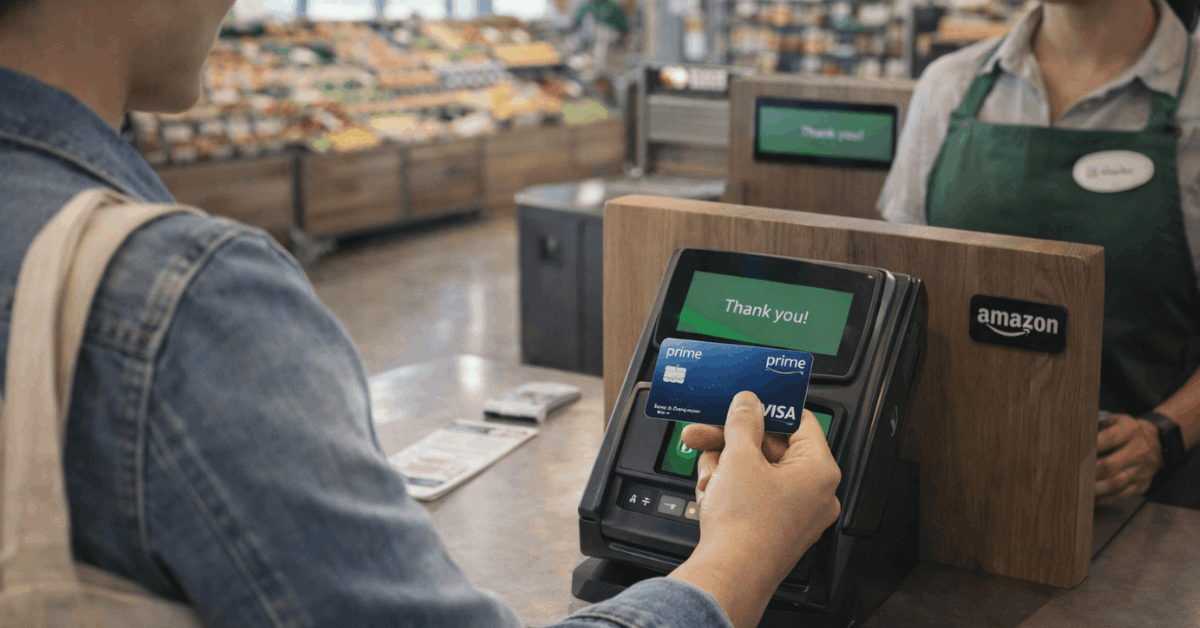
Chase lists unlimited 5% back at Amazon.com, Amazon Fresh, Whole Foods Market, and Chase Travel purchases with an eligible Prime membership, plus 2% back at gas stations, restaurants, and local transit and commuting, and 1% back elsewhere.
Chase also lists no annual credit card fee, no foreign transaction fee, and a variable APR range on the product page.
Prime Card Bonus Offers
Card value improves further for people who buy heavily inside the Amazon ecosystem. Chase and Amazon also promote rotating Prime Card Bonus offers that can pay 10% back or more on selected Amazon items or categories for eligible Prime cardmembers.
Terms apply, and the extra promotional percentage usually posts later than the base earn rate.
Rewards Redemption
Rewards redemption is flexible enough for most shoppers. Chase states points can be used at Amazon checkout and can also be redeemed for cash back, gift cards, or travel through Chase.
The rewards program agreement also supports statement credits and eligible electronic deposits into U.S. checking or savings accounts.
Amazon Prime Visa Application Basics
A clean Amazon Prime Visa application starts with eligibility, not the form itself.
Active Prime membership matters because the Prime version carries the higher 5% rate, while non-Prime shoppers are generally routed toward the Amazon Visa product with a lower earn rate on Amazon and Whole Foods purchases.
Chase’s page currently shows a separate non-Prime offer and reward structure.
Online Application
Application flow is typically online through the Amazon and Chase card pages. Standard personal credit card fields usually include legal identity details, U.S. address, SSN or ITIN, and annual income.
Instant decisions are common on cobranded cards, although pending reviews also happen when Chase needs more verification.
Industry guides such as The Points Guy regularly note that Chase approvals often reflect broader application behavior, including the unofficial Chase 5/24 rule.
Credit Profile Quality
Credit profile quality still does the heavy lifting. Good to excellent credit is commonly recommended for this card, and stronger files usually produce better Amazon Prime Visa approval odds than borderline applicants carrying high utilization or recent missed payments.
Consumer education sites and card analysts often cite a 700-plus score as a practical benchmark, though Chase does not publish a universal cutoff for approval.
How To Get A Higher Credit Limit On The Amazon Prime Visa
High limits are never guaranteed, so the goal is to improve the inputs Chase evaluates. Better outcomes usually come from a stronger application profile and disciplined use after approval.
- Accurate income reporting supports a stronger case for a larger line. Chase looks at repayment capacity, so inflated numbers can backfire if verification is required.
- Lower debt relative to income helps when asking how to get a higher credit limit. Existing obligations affect risk even when credit scores look solid.
- Higher scores, especially well above the minimum “good” range, often improve starting line potential. Clean payment history and low utilization matter more than one perfect number.
- Patience after approval can pay off. Responsible use and on-time payments over six to twelve months may lead to automatic increases or better results on request later.
Hard inquiries also matter at the margin. New applications usually trigger a hard pull, which can temporarily lower a score and slightly weaken near term approval strength for other cards.
Chase also evaluates overall exposure, so a very high total line across existing Chase accounts can limit how large your Amazon Prime Visa credit limit starts, even when your income is high.
Rewards Details That Matter For Real Shopping
Headline percentages look great, but category definitions decide the real return.
Official Amazon and Chase materials describe a broad 5% eligibility for:
- Amazon.com,
- Amazon Fresh,
- Whole Foods Market,
- Shopbop, and
- Chase Travel
Purchases when Prime membership is eligible, while also listing exclusions for certain sites, third-party services, and international variants of some merchants. Category coding also affects the 2% restaurant, gas, and transit buckets.
That is why checking offer details helps more than chasing assumptions. A meal inside a stadium, for example, may not be coded as dining.
Certain Amazon-owned brands or international storefront purchases may also fall outside the promoted 5% categories based on current terms. Practical use of Amazon Prime Visa rewards works best when expectations match the merchant coding and exclusion language.
Prime Visa Vs Amazon Store Card
Comparison shopping gets easier once the card type is clear. The key difference in Prime Visa vs Amazon Store Card is acceptance. Prime Visa runs on the Visa network and is accepted anywhere Visa is, while the Amazon Store Card is a store product with narrower acceptance and a different issuer.
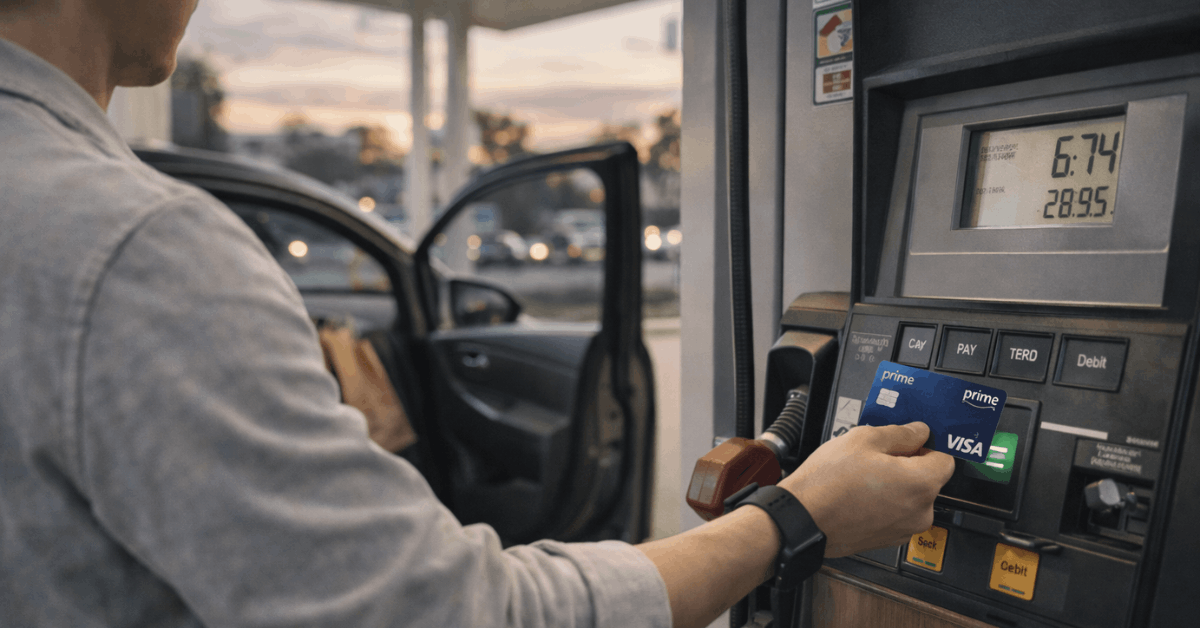
Reward overlap can confuse first-time applicants because both products can advertise 5% at Amazon for Prime members. Prime Visa usually adds more practical value outside Amazon through 2% back on gas, dining, and transit, plus travel and shopping protections listed on the Chase card page.
Card choice should match shopping behavior, repayment habits, and how much non-Amazon spending will actually go on the account.
Is The Amazon Prime Visa Worth It For A Worldwide Audience?
Global readers should separate card value from card eligibility. U.S. application requirements, identity verification, and account eligibility rules generally mean this card is aimed at U.S.-based applicants with the required documentation and a U.S. credit profile.
Spending abroad can still be practical after approval because Chase states Amazon Prime Visa foreign transaction fees are $0. Prime members who buy heavily from Amazon or Whole Foods, use some Chase Travel, and pay in full each month can get strong value from the 5% structure and side categories.
Balance carriers will often lose much of that value to interest charges, especially given the card’s variable APR range.
Chase and Amazon product pages, plus the Chase rewards program agreement, remain the best places to confirm current offers and terms before applying.
Last Thoughts
Amazon Prime Visa makes the most sense when the card matches real shopping habits, and the account stays clean month after month.
Prime members who spend heavily at Amazon, Amazon Fresh, and Whole Foods can pull meaningful value from the 5% rate, then add extra lift when Prime Card Bonus promos appear.
Approval and credit limits still hinge on the usual Chase factors, so strong income documentation, low utilization, and steady repayment matter more than how often Amazon gets used.
Kept simple, pay in full, track category terms, and request increases only after a solid history, the card can stay a reliable cash-back tool rather than an expensive balance trap.
Disclaimer
This site provides general information on credit cards and payment products, not financial, legal, or tax advice; always verify rates, fees, and terms with the issuing bank before applying.