
South Korea’s card market can feel unusually specialized, and that is exactly where a KB Kookmin Card becomes useful. KB Kookmin Card (KB국민카드), part of KB Financial Group, offers cards built around real spending patterns such as travel, shopping, transit, fuel, and mobile payments.
A better pick usually comes down to matching your routine to the card’s benefit design, not chasing the longest feature list. Most readers looking at Korean cards need one practical answer first: which card fits daily behavior and still works when benefits have conditions.
That is the right way to compare KB cards, because many products offer strong rewards but also attach thresholds, category rules, and payment-method conditions.
What Makes KB Kookmin Card Different
KB Kookmin Card stands out because the issuer builds many products around use cases instead of generic cashback alone. Cards often target a narrow lifestyle segment, such as travelers, online shoppers, commuters, expats, or drivers. That makes selection easier once spending habits are clear.
Another difference is ecosystem integration. Several benefits are stronger when payments are made through the KB Pay app, and some cards are designed for mobile-first use.
Benefit delivery also frequently appears as a statement credit (청구할인) rather than an instant checkout discount, which matters when reviewing bills and tracking actual savings.
Best KB Kookmin Card Picks By Lifestyle
A strong card choice starts with your highest monthly categories. Card names can sound similar, so lifestyle matching helps reduce mistakes.
Best For Travel and Overseas Spending
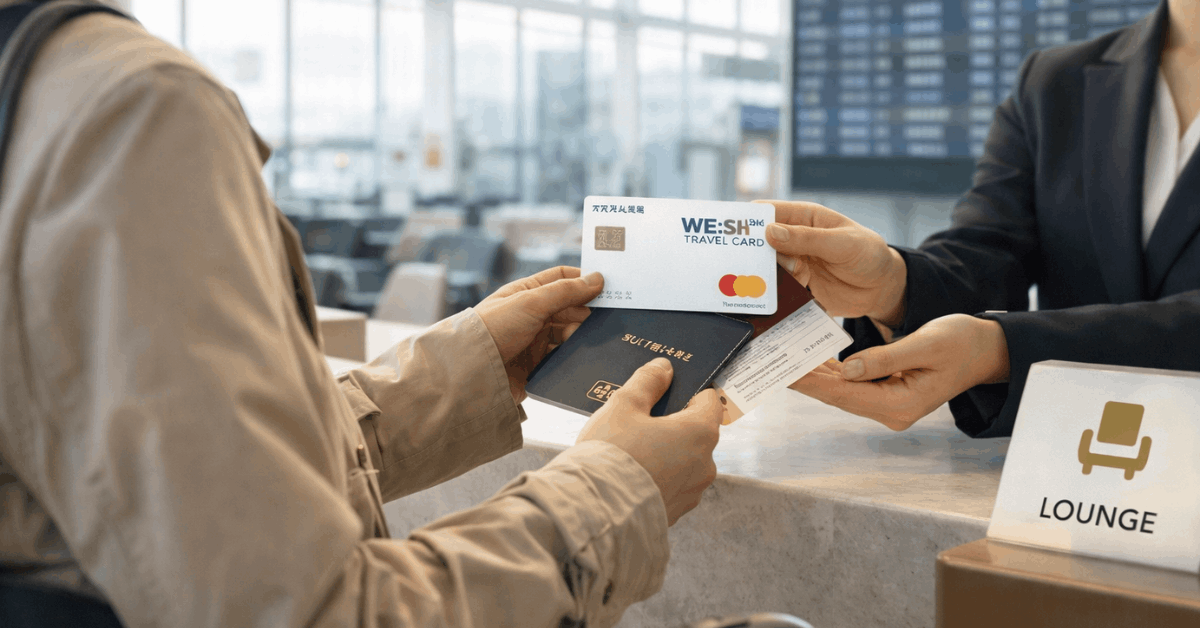
Travel-focused users usually start with the WE:SH Travel Card. Recent product materials and major Korean card comparison listings consistently highlight overseas fee benefits, exchange-rate perks tied to USD-based usage, and lounge benefits on eligible versions.
Practical value is highest for frequent travelers who make recurring overseas purchases or trips each year. Airport benefits are a major reason this card gets attention.
Free airport lounge access can offset the annual fee quickly for people who actually fly, while travel-related discounts add value on top. A better result still depends on reading the exact lounge usage terms, annual caps, and eligibility windows shown at issue time.
Best For Mobile Wallet and Digital Payments
Daily mobile-pay users often prefer the TokTok Pay Card because the benefit logic is built around Korean digital wallets. Market summaries commonly describe rewards or cashback-style discounts tied to payment services such as Naver Pay, Kakao Pay, and Samsung Pay.
Mobile-wallet cards work best when phone payments already dominate your checkout routine. A card like this can underperform if spending is mostly offline with plastic card swipes, or if eligible wallet merchants make up a small share of monthly purchases.
Best For Shopping and Everyday Household Spending
KB’s WE:SH family of cards is often the first stop for everyday users because it is structured around life-stage and category patterns. Product variants and related lifestyle cards can include discounts on dining, convenience stores, supermarkets, or online merchants, depending on the specific card.
Heavy platform shoppers may also look at co-branded options such as Coupang-related cards or retail-specific products like E-mart-focused cards. Category fit matters more than brand popularity here.
Shopping cards lose value fast when spending lands outside the issuer’s qualifying merchant categories.
Best For Foreign Residents In Korea
Foreign residents often need a card that matches day-to-day local spending and basic settling-in costs. KB has long marketed welcome-oriented products for expats, including the Tantandaero Welcome credit card and WELCOME check/debit options through its broader foreign customer package.
Practical appeal comes from benefits on markets, convenience stores, transit, mobile fees, and common local spending.
Eligibility, documentation, and available card types can vary depending on residency status, bank account setup, and current underwriting rules, so current conditions should be checked at application time.
Best For Commuters and Drivers
Commuters and drivers usually get better value from specialized cards than general rewards cards. KB’s check-card lineup and fuel cards often include transit or gas-focused benefits, though exact payout rules can be strict.
Transit and fuel cards need closer reading than most people expect. Merchant coding and minimum per-transaction conditions can affect reward eligibility, especially in convenience stores or mixed-use merchants.
A card that looks perfect on paper can miss rewards if your transactions fail the category or minimum-spend filters.
Key Rules To Check Before Applying
A good match on benefits still fails if the conditions are missed. KB cards, like many Korean cards, often have detailed performance rules.
1. Monthly Spend Thresholds
Many benefits activate only after a prior-month minimum spend. Common examples in market listings include a monthly spend requirement of around 300,000 KRW or 400,000 KRW, depending on the card and benefit tier. Lower usage months can reduce or eliminate rewards.
2. Payment Method Conditions
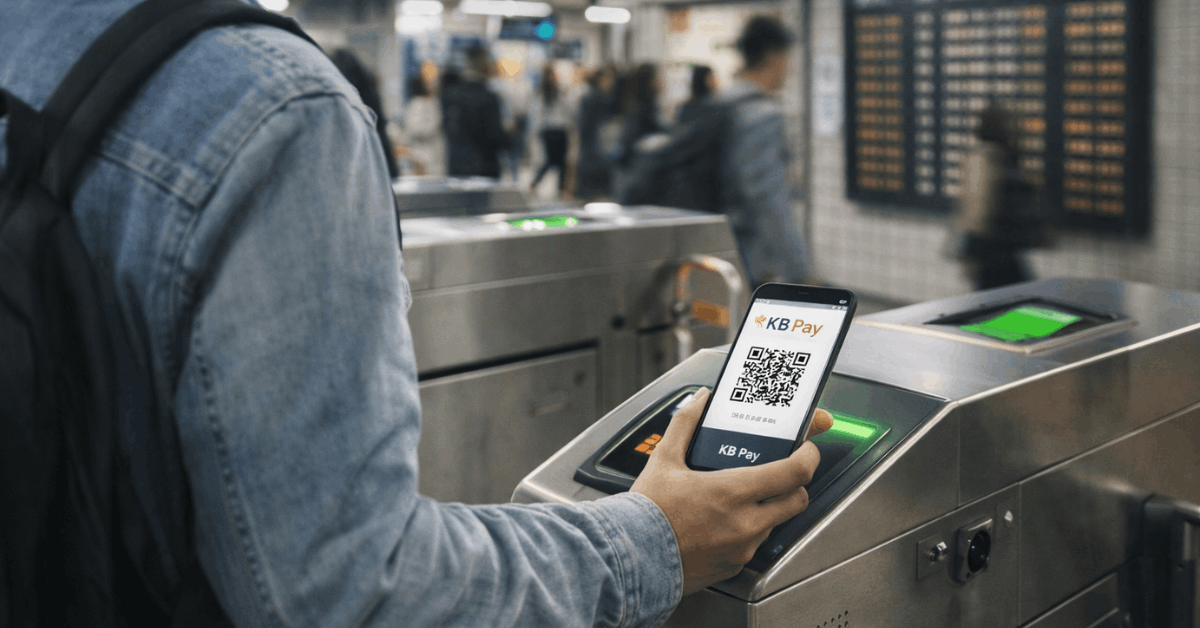
Some discounts are stronger or exclusive when payment is made through the KB Pay app. A card can still work physically, but the advertised headline benefit may assume KB Pay checkout.
3. Merchant Category Coding
Korean issuers often apply strict merchant classification rules. Reward eligibility may depend on how a store is registered, not how the store looks to shoppers. Category mismatch is a common reason benefits do not post.
4. Benefit Timing And Billing Format
Many KB card discounts are posted later as a statement credit (청구할인). Billing statements need to be reviewed carefully so expected savings are not mistaken for missing rewards on the purchase day.
How To Choose The Right KB Kookmin Card For Your Routine
Card selection gets easier once spending is grouped into three categories: core spending, optional spending, and occasional spending. Core spending should drive the decision because that is where repeat rewards come from.
A practical approach looks like this:
- Travel several times a year or pay overseas often: prioritize a KB Kookmin credit card focused on travel perks, low foreign transaction fees, and lounge usage.
- Pay mostly through mobile wallets: prioritize the TokTok Pay Card and confirm wallet coverage at your usual merchants.
- Spend mainly on groceries, convenience stores, and dining: compare WE: SH and retail-focused cards based on category caps and billing rules.
- Live in Korea as an expat: check welcome-focused products and bank account requirements first, then compare local spending categories.
- Commute daily or drive heavily: compare transit or fuel cards after reviewing merchant code limits and minimum transaction conditions.
Final Takeaway
The best KB Kookmin Card is rarely the most advertised one. A stronger choice is the card that matches your actual payment behavior, clears the required thresholds, and delivers rewards in categories used every month.
Travel users, mobile-wallet users, expats, and local household spenders can all find a good fit in the KB lineup, but results improve only when category rules and billing mechanics are checked in advance.
Disclaimer
Card benefits, thresholds, and promotions can change, so final decisions should be made using current issuer terms on KB Kookmin Card channels and product pages.