
Hyundai Card has grown into one of South Korea’s most distinctive card issuers, and its influence now reaches far beyond standard credit card rewards. Global readers usually first notice the brand through premium card design, Apple Pay adoption in Korea, or co-branded cards tied to major consumer brands.
Founded in 2001 and affiliated with Hyundai Motor Group, Hyundai Card operates as a financial company with a strong technology layer.
Recent industry reporting has highlighted its leadership in South Korea’s private label segment, while the company and partner case studies also show heavy investment in AI and marketing analytics.

What Makes Hyundai Card Different
Most global card issuers compete on rewards rates, annual fees, and travel perks. Hyundai Card does that too, but its strategy goes deeper into customer segmentation and brand fit.
Card products are built around spending behavior, lifestyle identity, and partner ecosystems, then supported by personalized offers and digital engagement.
Brand Design
Brand design also plays a visible role. Hyundai Card has long been known in Korea for strong visual branding and premium positioning, especially across its higher-tier portfolio.
Market positioning is not only about luxury, though. Everyday users also get access to mainstream cards designed for points, discounts, and targeted category benefits.
Industry Coverage
Industry coverage in 2025 also pointed to Hyundai Card’s scale in the PLCC segment, including a reported 78% share of South Korea’s PLCC market. That number matters because PLCC performance reflects more than card issuance volume.
It reflects how effectively a card company can operate co-branded products, share data insights with partners, and maintain customer activity across multiple retail and service ecosystems.
Specialized Credit Card Lineups
Hyundai Card offers a wide range of products, but the portfolio becomes easier to understand once it is grouped by purpose.
Product names and benefits can change over time, so final eligibility and terms should always be checked on official Hyundai Card channels.
PLCC Cards For Brand-Based Benefits
A major strength is the company’s Private Label Credit Cards strategy. These cards are built with partner brands and usually reward spending in ways that match that brand’s customer behavior. Reported and widely cited partners include Costco, Korean Air, Starbucks, Emart, and Olive Young.
Practical value depends on the partnership. Airline-linked cards may focus on miles accumulation, while retail PLCC cards often emphasize shopping discounts, points, or promotional access.
Mobility and Auto-Focused Cards
Hyundai Motor Group affiliation shows up clearly in the mobility credit card category. Hyundai Card has introduced products designed around vehicle ownership and automotive spending, including cards tied to new vehicle purchases, maintenance, and charging-related benefits.
Examples often mentioned in company and industry materials include the Hyundai Mobility Card, EV-related cards for charging benefits, and premium options for Genesis owners.
Drivers in Korea who already spend heavily on transportation, maintenance, or charging infrastructure may find these products more relevant than standard cashback cards.
Flagship Consumer Cards
The Hyundai Card M and X lineups are typically treated as broad-audience products. These cards are positioned for daily use, points, and discounts without requiring a niche lifestyle identity.
M-line products are especially associated with M Points in Hyundai Card’s ecosystem. Public descriptions commonly note baseline savings or accrual of points on spending, with additional benefits in selected categories depending on the exact card variant.
Premium and VVIP Portfolio
Premium positioning remains one of Hyundai Card’s strongest brand signals. The company’s portfolio includes well-known premium products such as the Black, Purple, Red, and Green cards, with some positioned for high-spend or invitation-based users.
Korea’s first VVIP card, often referenced as “the Black,” helped define Hyundai Card’s premium image. Premium cardholders may receive higher limits, concierge-style services, travel or lifestyle perks, and access to exclusive events, depending on product tier and current terms.
Digital Payments and Financial Services
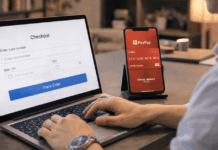
Digital execution is a central part of Hyundai Card’s identity. The company is widely recognized for introducing Apple Pay in South Korea in 2023, a move that significantly raised its visibility in mobile payments discussions.
That rollout also reinforced Hyundai Card’s reputation as a faster-moving issuer in a market where payment infrastructure changes can take time.
Cardholder Management
Cardholder management also leans heavily on mobile channels. Users commonly manage benefits, payments, and card features through the app, although international users may encounter varying levels of English-language convenience.
Day-to-day service expectations should be set around a Korea-first experience. Core services still include the fundamentals expected from a major issuer:
- card issuance,
- payment processing,
- merchant services, and
- account management.
At the same time, Hyundai Card increasingly presents itself as a tech-driven financial platform rather than a card company with an app attached.
Global relevance also comes through network and partnership relationships, including Visa, Mastercard, and American Express offerings tailored for the Korean market. That structure supports domestic usage while giving many cardholders broader international acceptance.

Data Strategy, AI, and Marketing Performance
Data science is one of Hyundai Card’s most important differentiators. Company messaging and financial media coverage repeatedly point to AI investment, personalization systems, and partner analytics as core growth drivers.
Hyundai Card’s UNIVERSE platform is often described as a proprietary AI-powered personalization engine used to improve targeting and customer engagement.
Data Alliance
Another standout feature is the data alliance model used with PLCC partners. Shared insights across partner ecosystems can help improve product design, promotions, and campaign planning.
Retailers and service brands benefit from better consumer behavior visibility, and Hyundai Card strengthens partner retention through analytics capabilities that go beyond payment processing.
Improved User acquisition Using Ai
A widely discussed 2024 Airbridge case study adds a practical example of this data-first approach.
According to the case study, Hyundai Card’s online marketing team used AI-supported measurement and budget allocation to improve user acquisition efficiency, reporting a 28% drop in ad costs, a 16% increase in new customers, and a 61% ROI increase during the measured period.
Results from a vendor case study should always be read in context, but the example still illustrates how Hyundai Card applies analytics to operational decisions, not only card rewards personalization.
Market Position and Global Context
Hyundai Card remains a major player in South Korea’s competitive card industry, where it is often compared with issuers such as Samsung Card and Shinhan Card.
Market reports in 2025 highlighted strong credit sales and continued PLCC leadership, reinforcing the company’s position as both a high-volume issuer and a premium brand.
Hyundai Motor Finance
International audiences should also avoid one common confusion. Hyundai Motor Finance is a separate vehicle financing operation, even though both sit under the broader Hyundai group structure.
Hyundai Card focuses on credit card products, payments, partner ecosystems, and related financial services.
Final Take
Hyundai Card stands out because it combines card design, lifestyle segmentation, and data science in one operating model. Product depth across PLCC, premium, and mobility categories gives it flexibility that many issuers struggle to match.
Readers comparing global card brands can treat Hyundai Card as a useful example of how a regional issuer builds strength through partnerships, digital payments, and analytics instead of relying on one flagship product alone.
Disclaimer
This site provides general information on credit cards and payment products, not financial, legal, or tax advice; always verify rates, fees, and terms with the issuing bank before applying.